Newfoundland and Labrador celebrate that they is home to four UNESCO World Heritage Sites and one GeoPark site. We explored the Discovery Geopark on the Bonavista Peninsula. We did not get to explore each Discovery Geopark site but did spend significant time in several of them.
Port Union Fossils
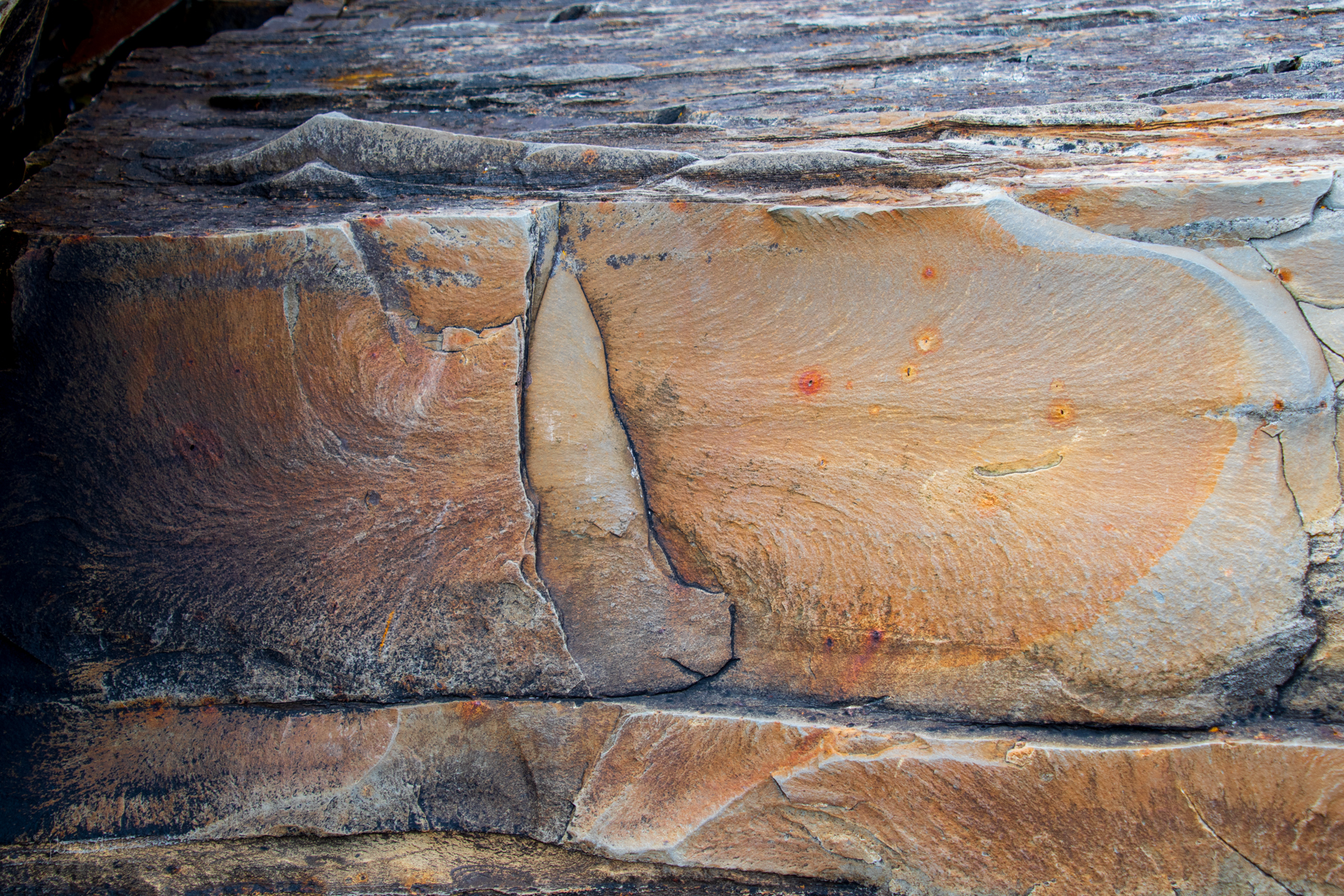
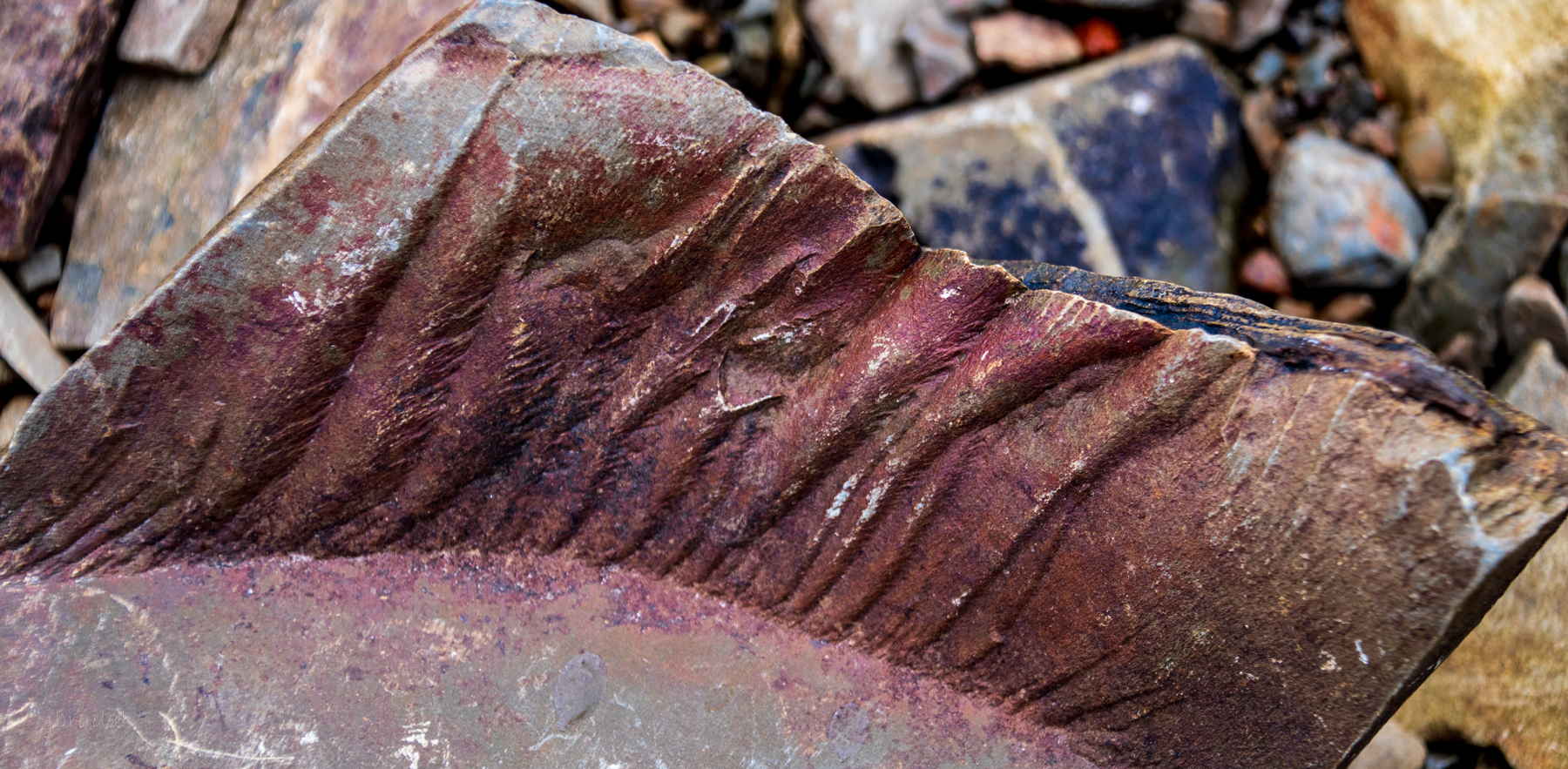
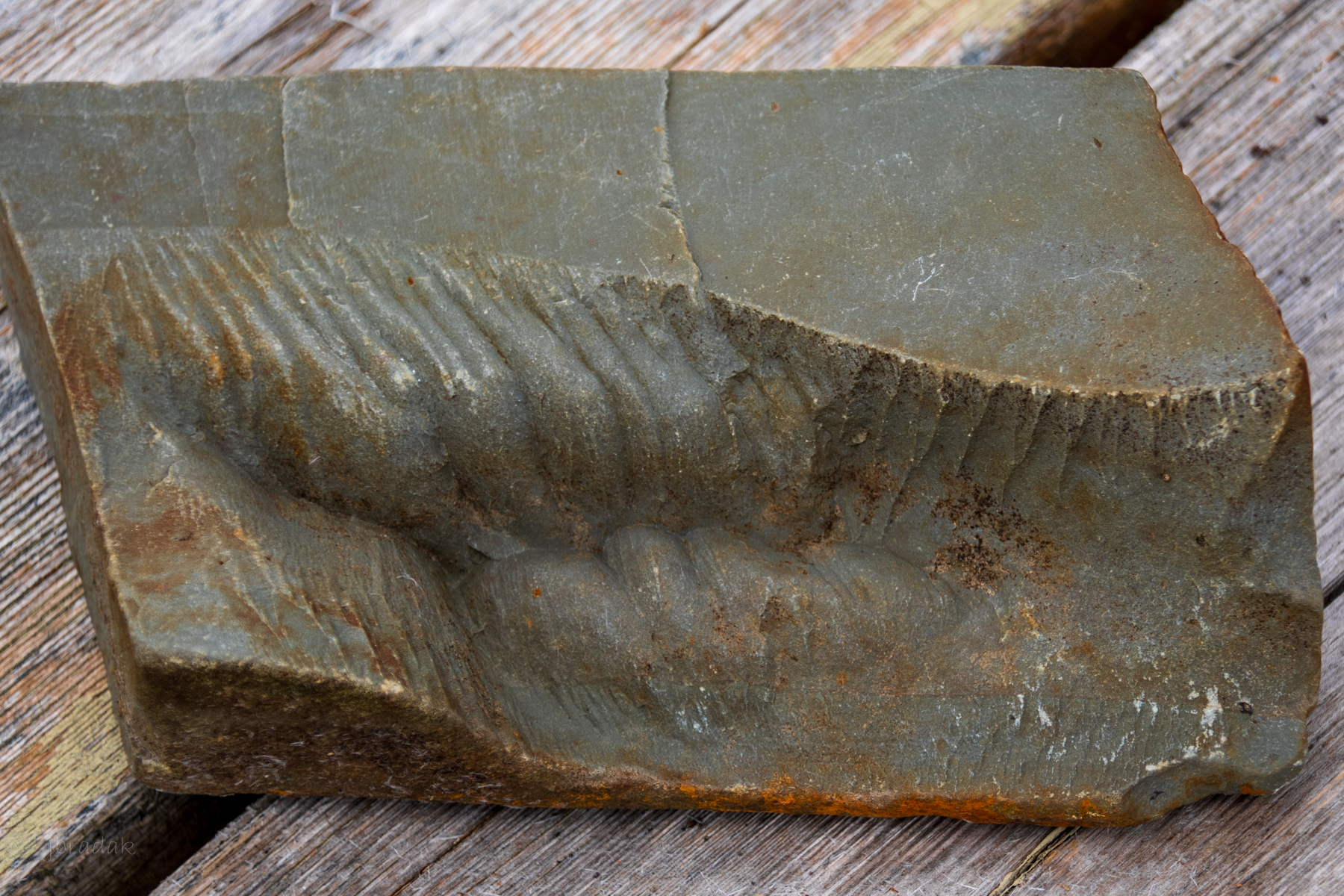
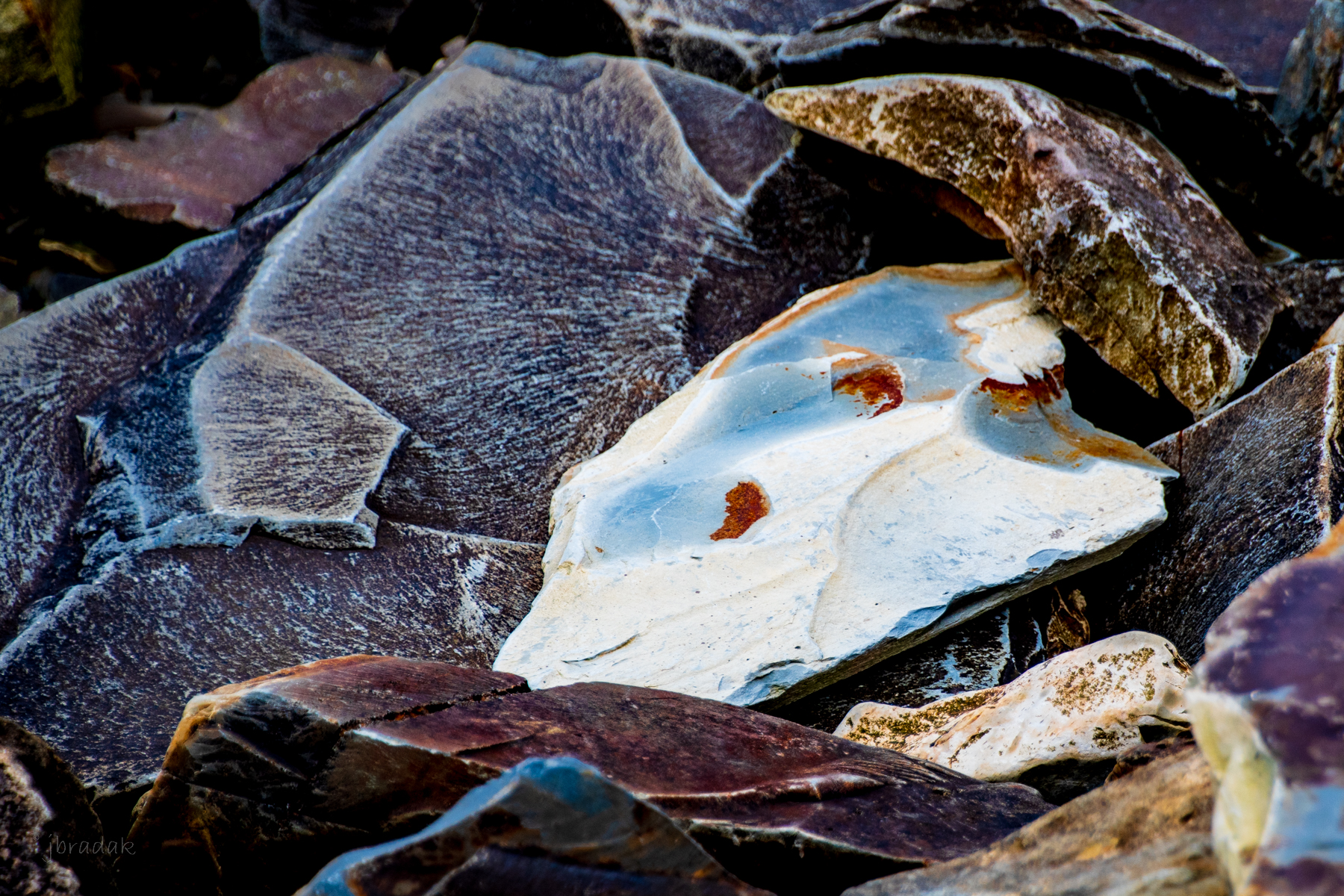
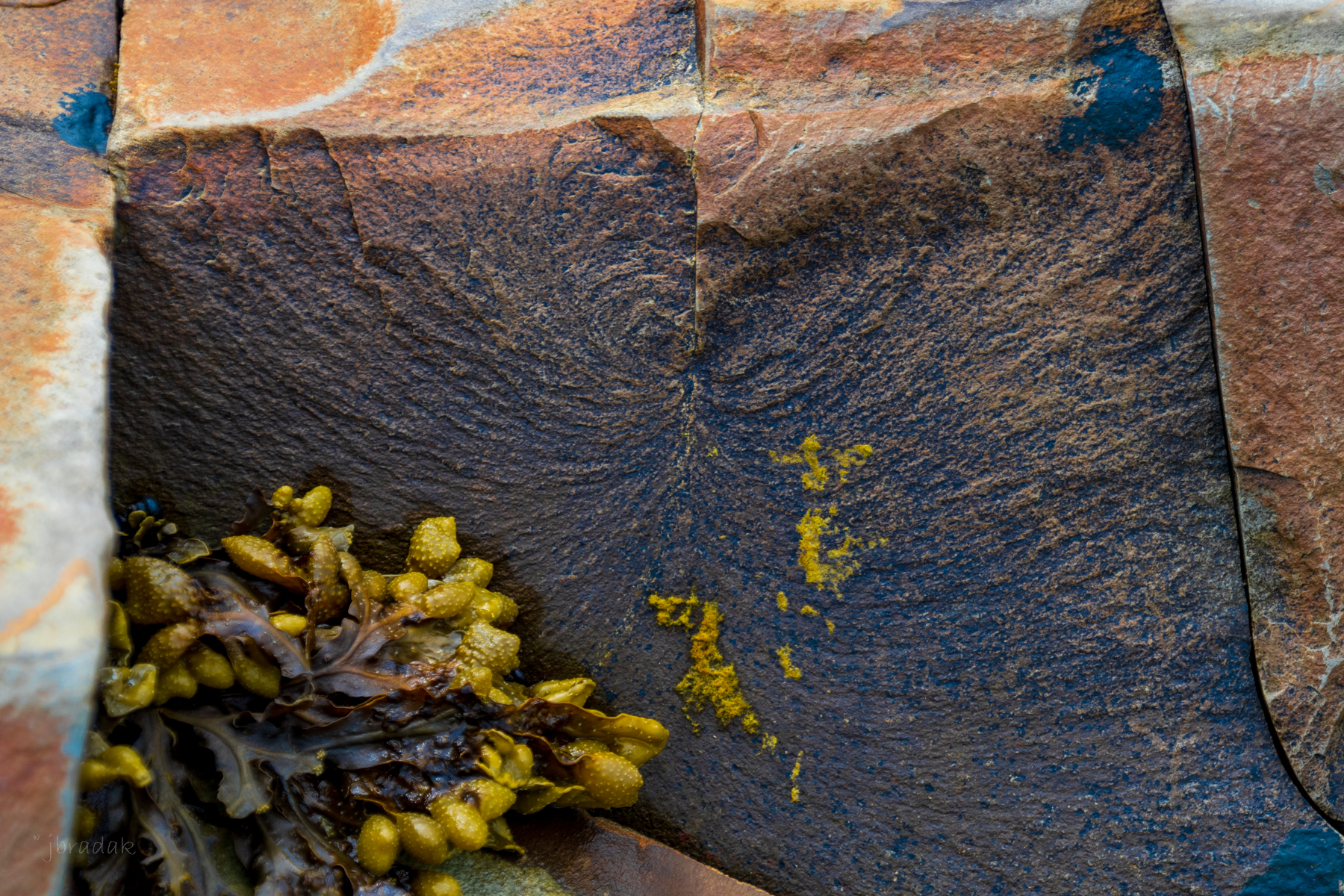
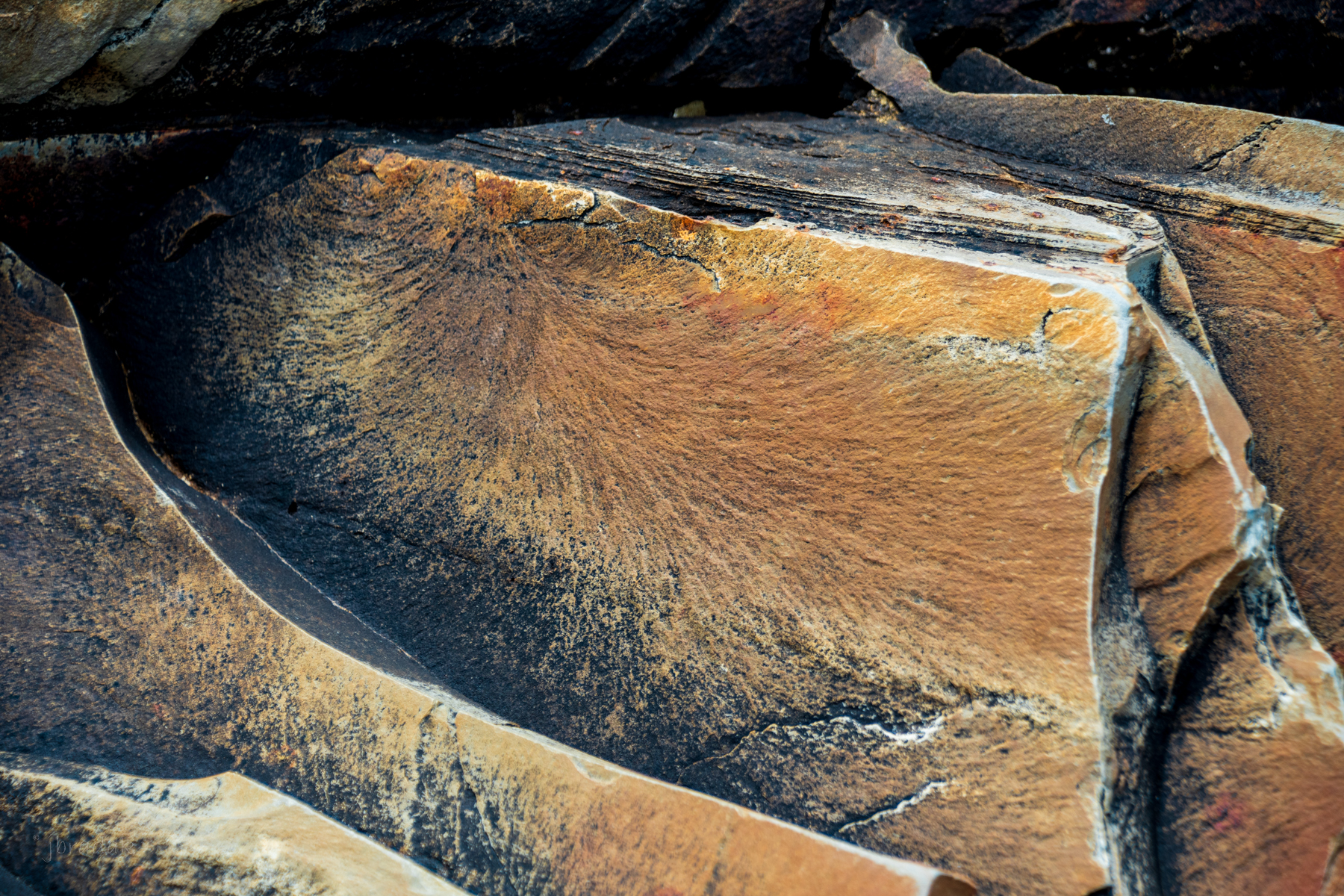
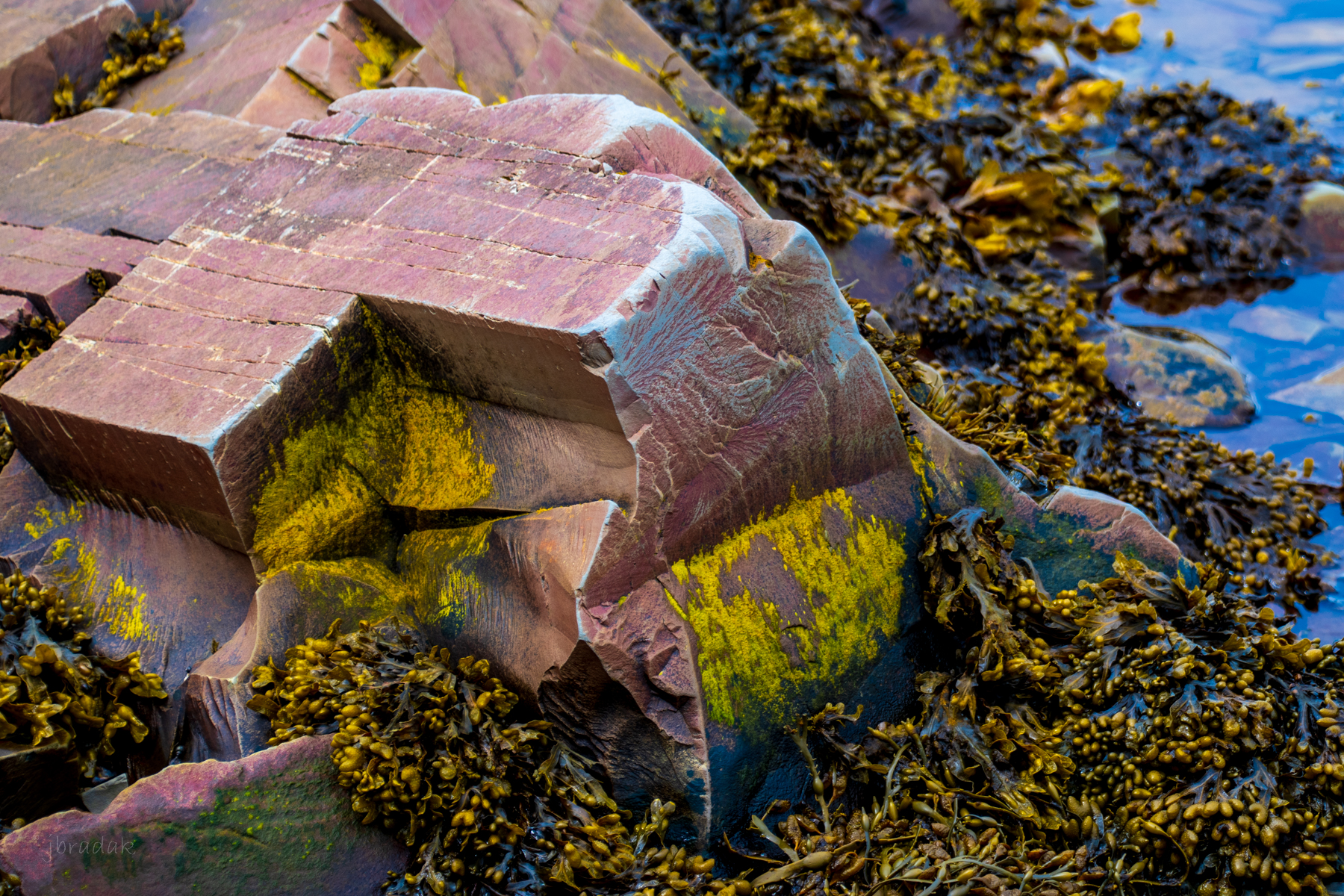
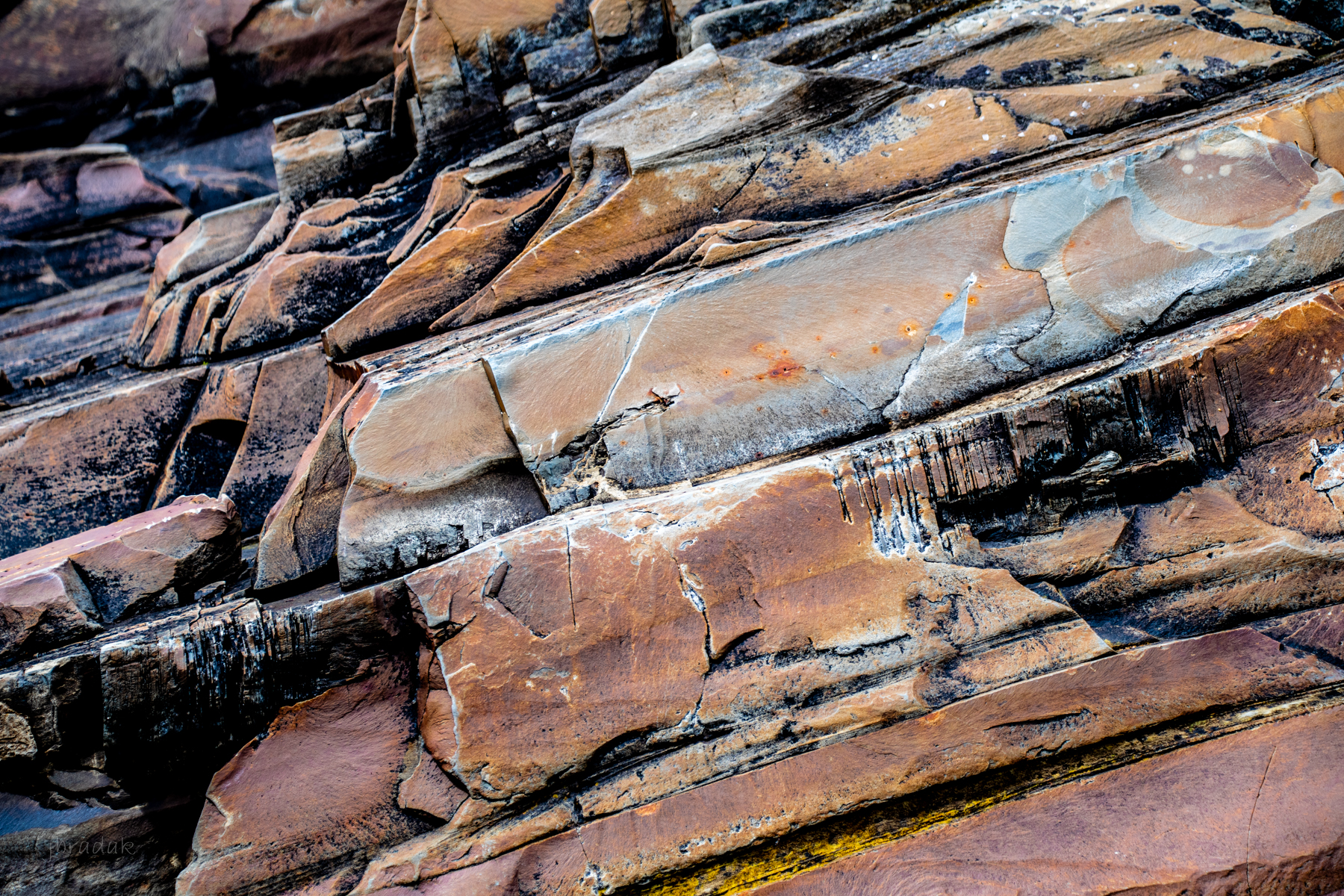
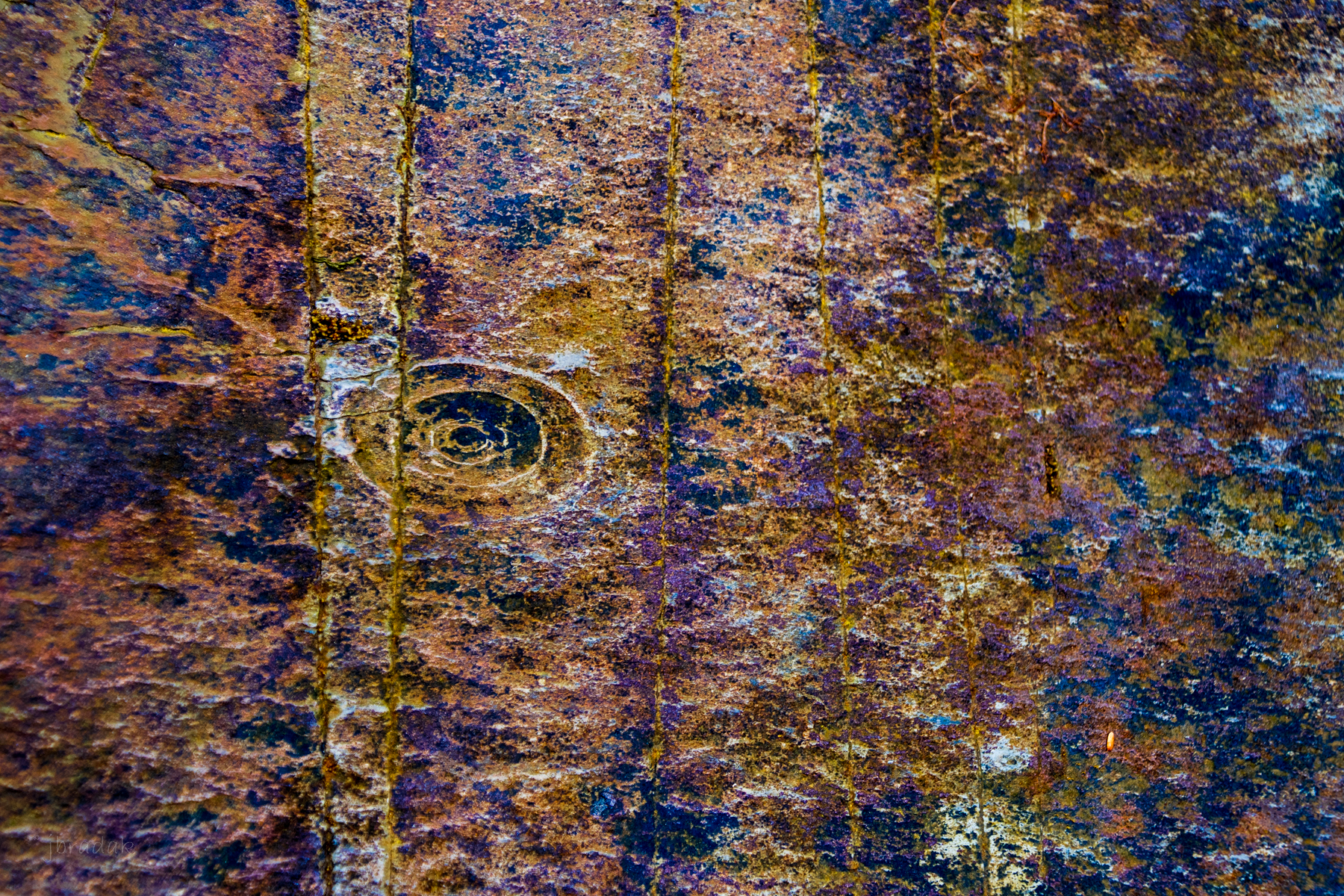
This area contains rare and exceptionally well preserved fossils from the Ediacaran Period ( 635 to about 541 million years ago). This was the time of larger, complex life, living and flourishing in the depths of ancient seas.
The Root Cellars
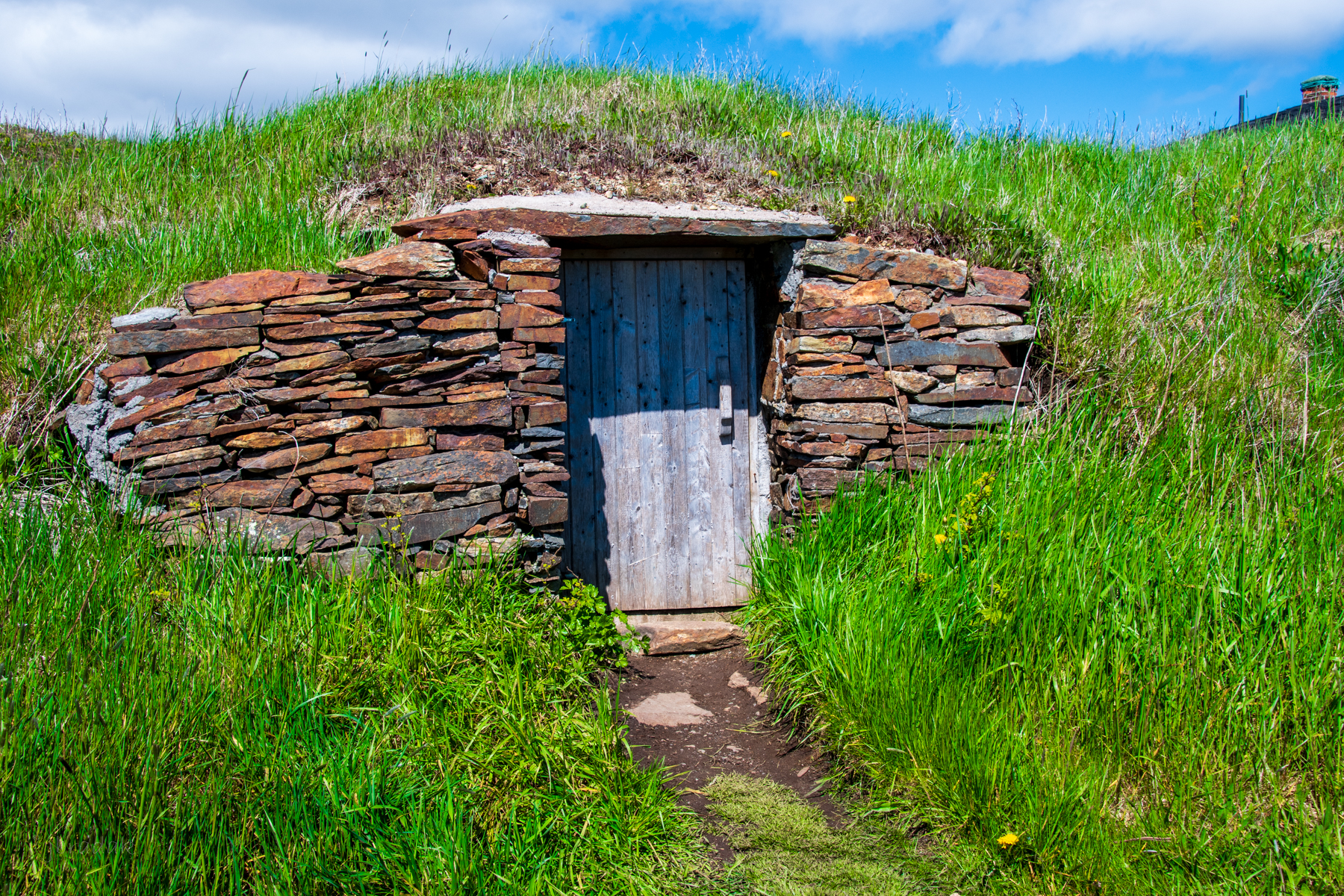
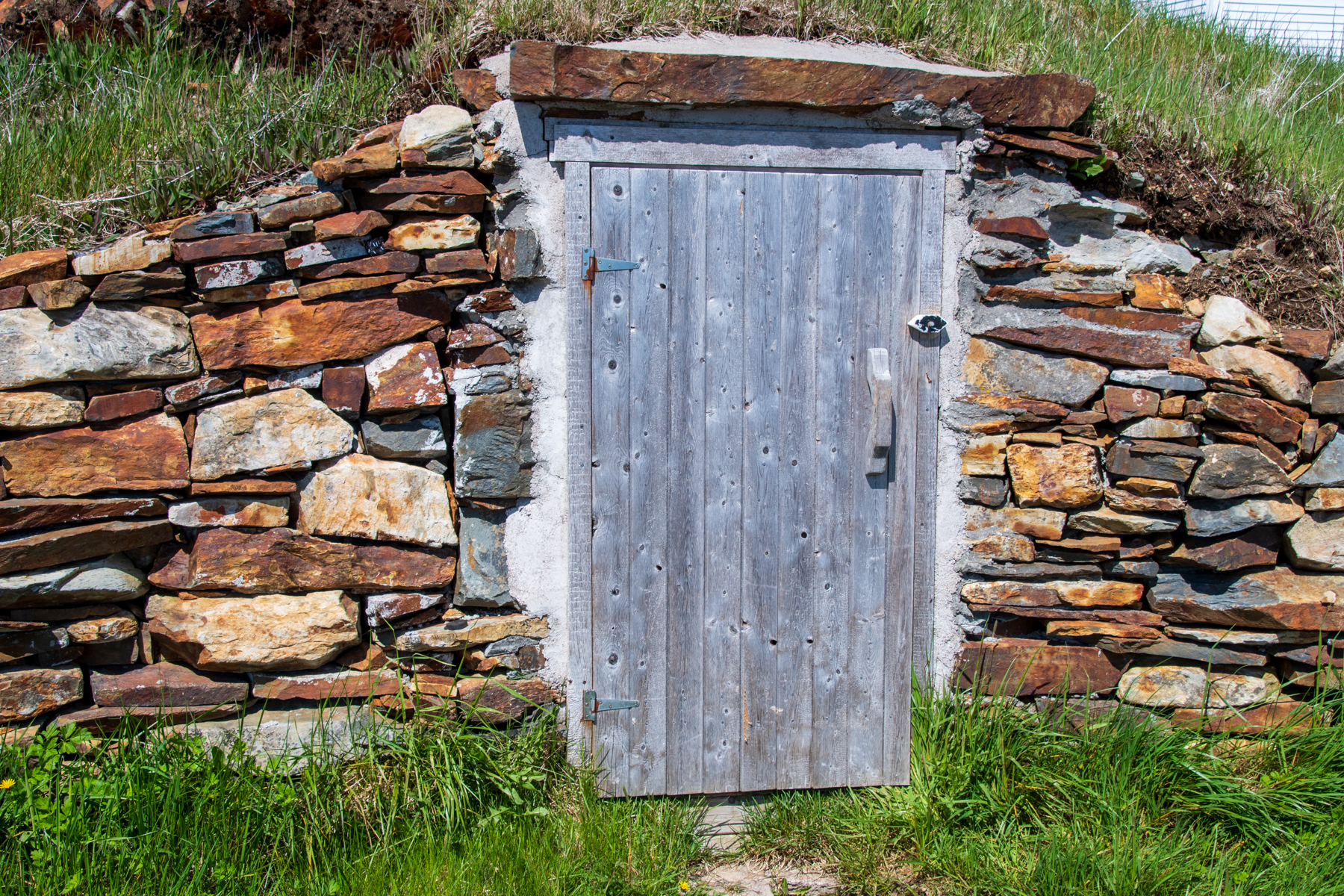
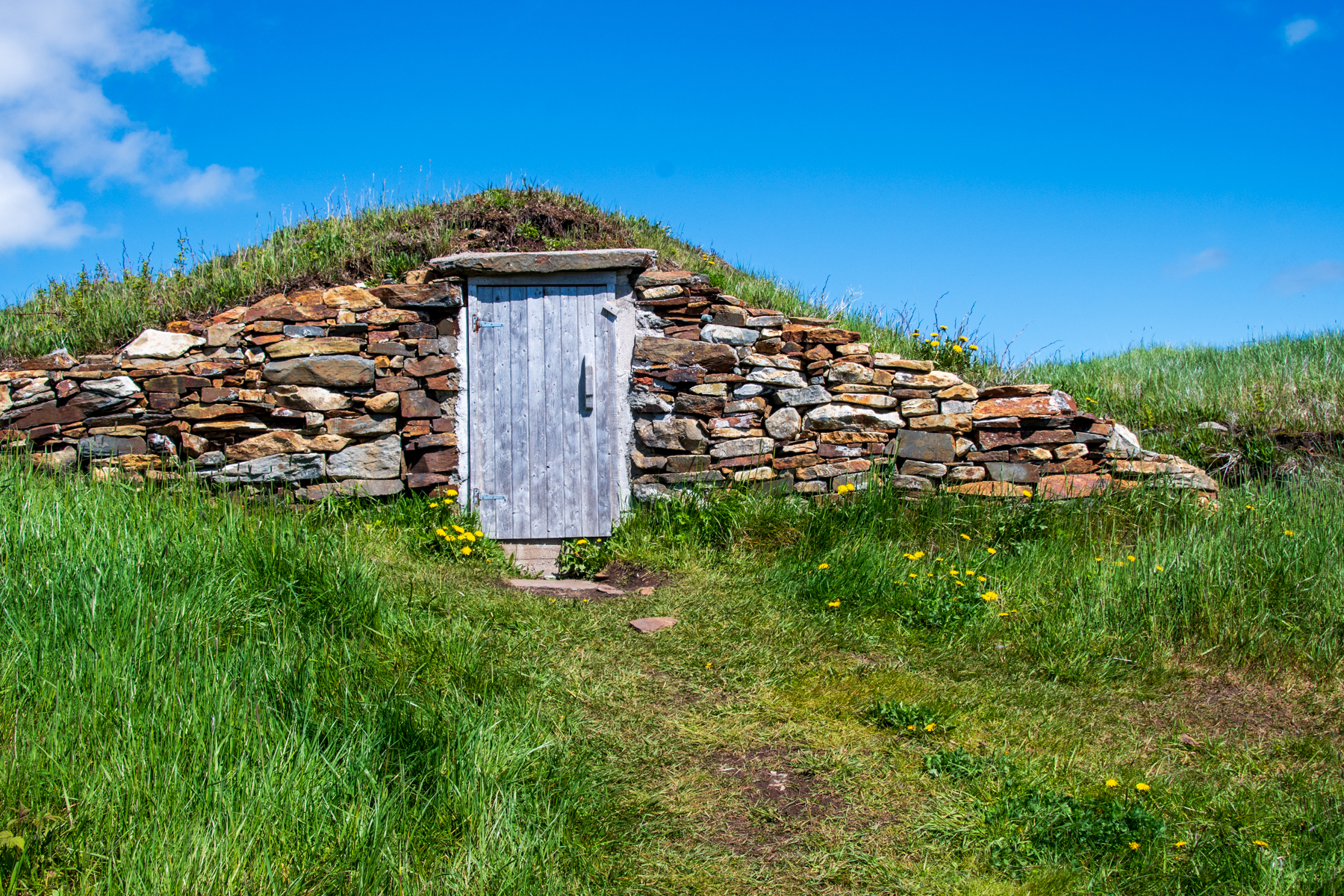
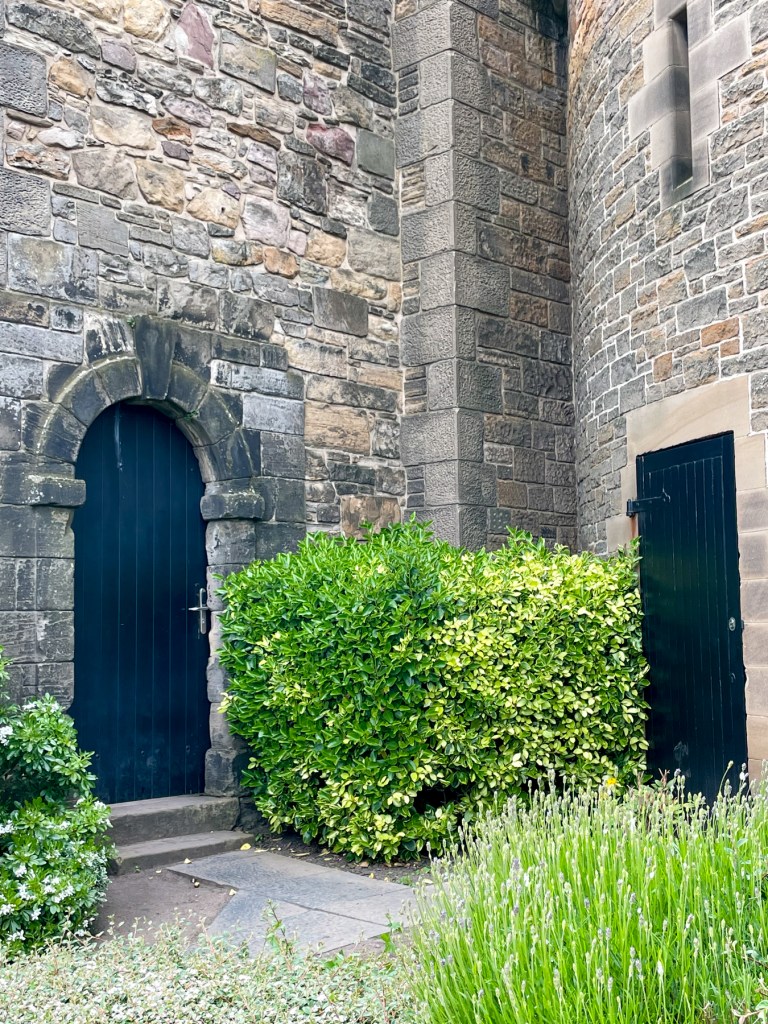
There are 133 Root Cellars still in existence and many are in use on the Bonavista Peninsula Because of the geology and soil of the area the community people were only able to grow crops in their own gardens, using kelp as a way to enrich the soil. The harvest was stored in root cellars built into the hill or mounded area, made with local flagstone.
When we pulled into the parking lot of the Puffin Viewing site two sides of the parking lot had mounds and little doors. Reminded me of “hobbit” dwellings but the doors weren’t round. Bronc asked what are those and I immediately said “root cellars”. Growing up in northern Maine it was normal to see potato houses built into the side of a hill or into a large mound of dirt. That is where the potatoes were stored. Our neighbors, June and Kermit Bailey, had a root cellar built into the mounded soil against the their barn. That was where June stored her cold crops from the garden such as cabbage, turnips, and carrots. Not many people had outdoor root cellars even when I was a young.
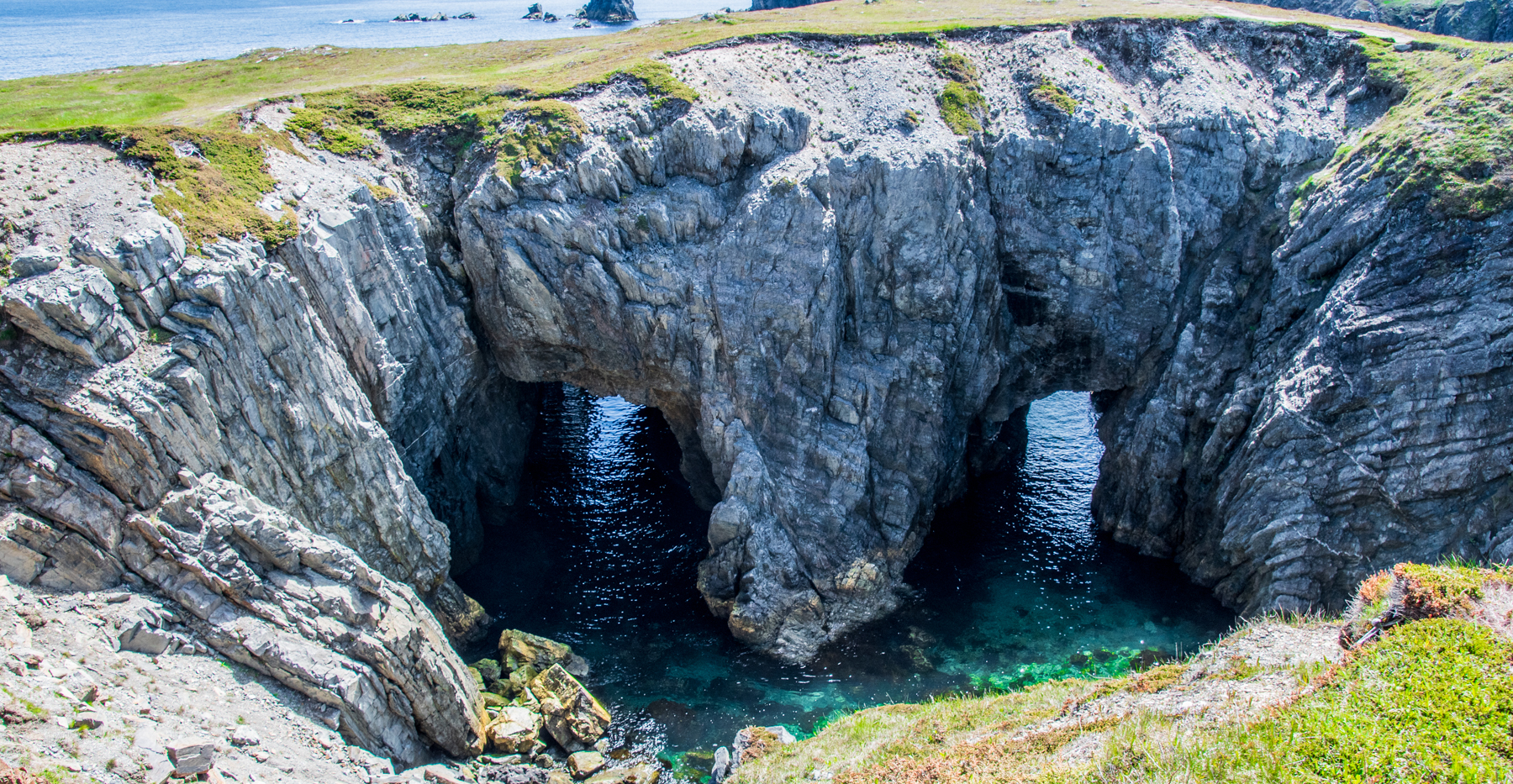
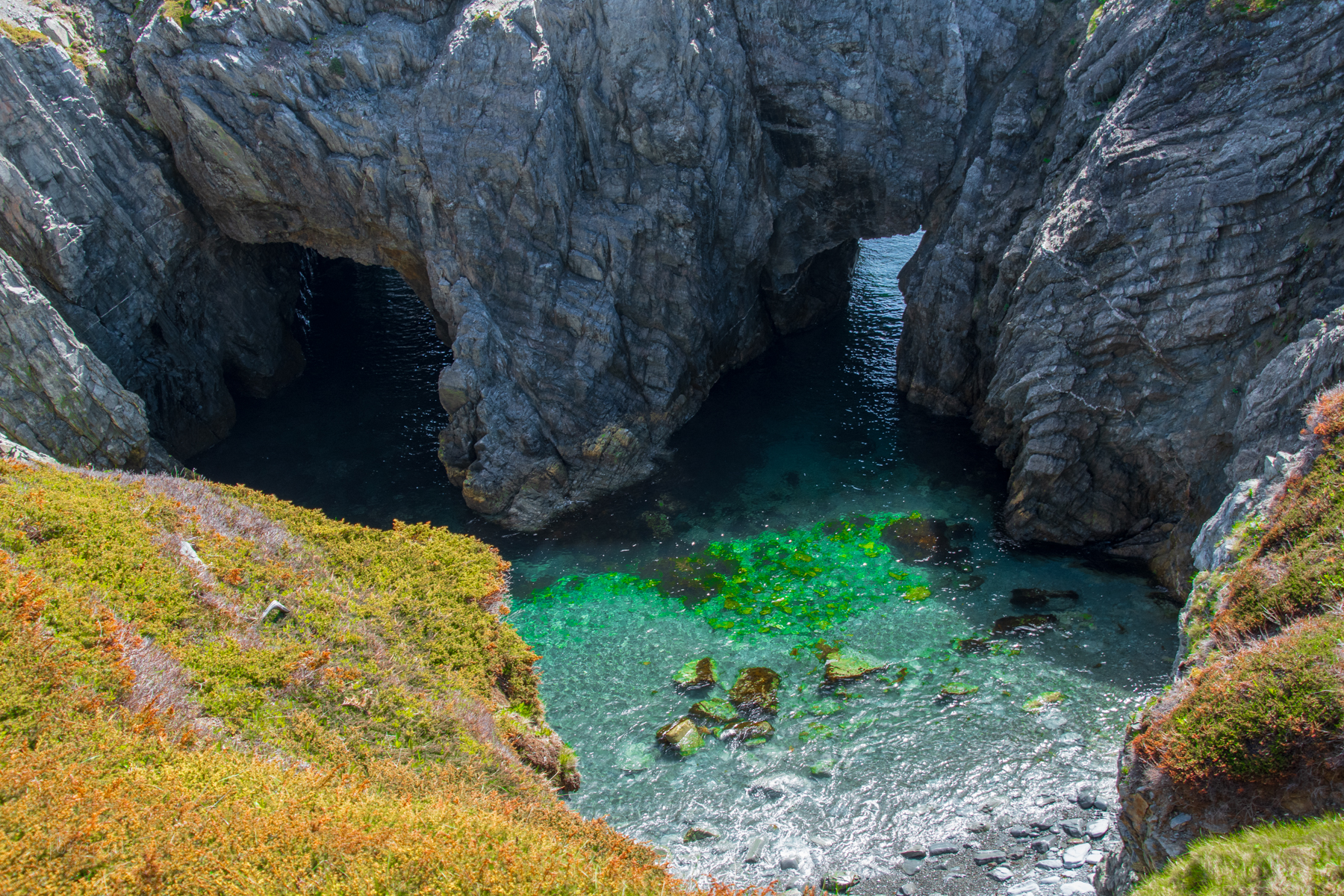
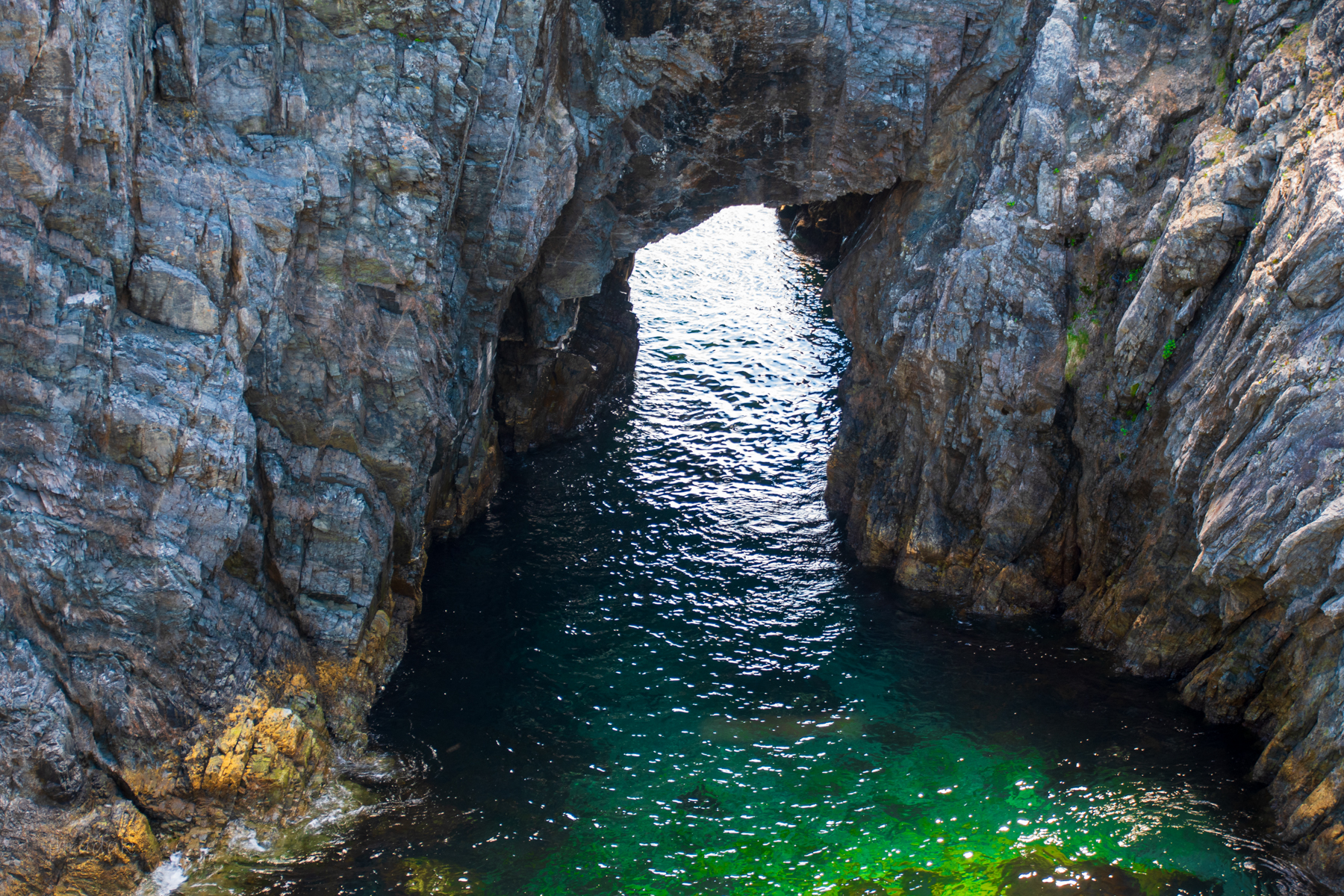
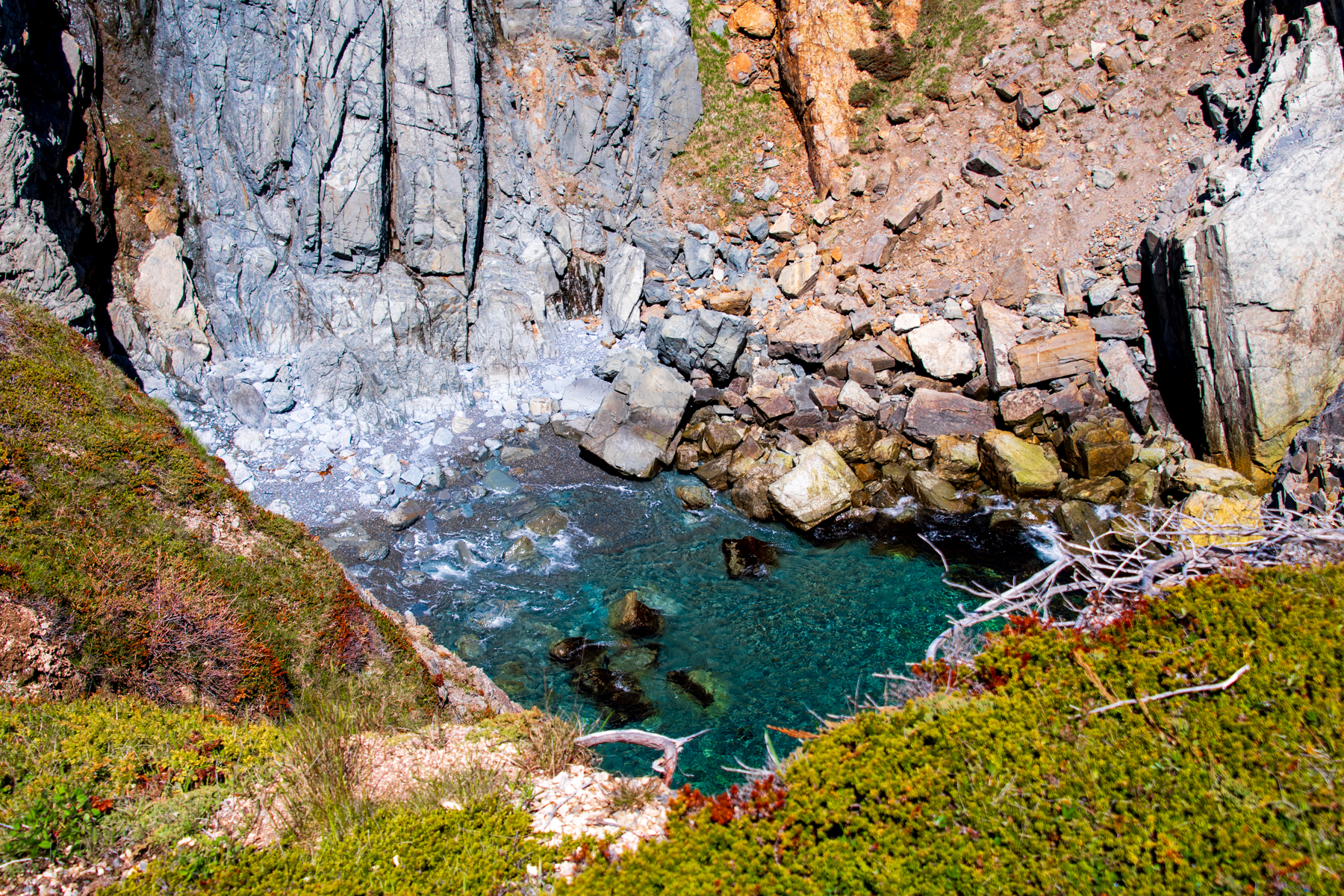
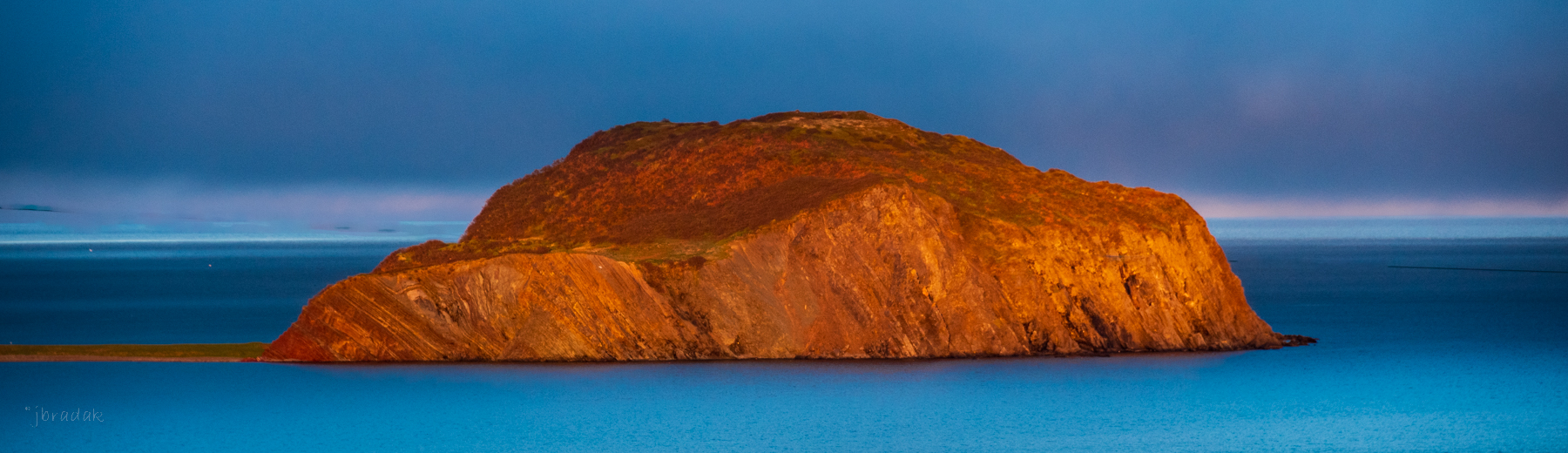
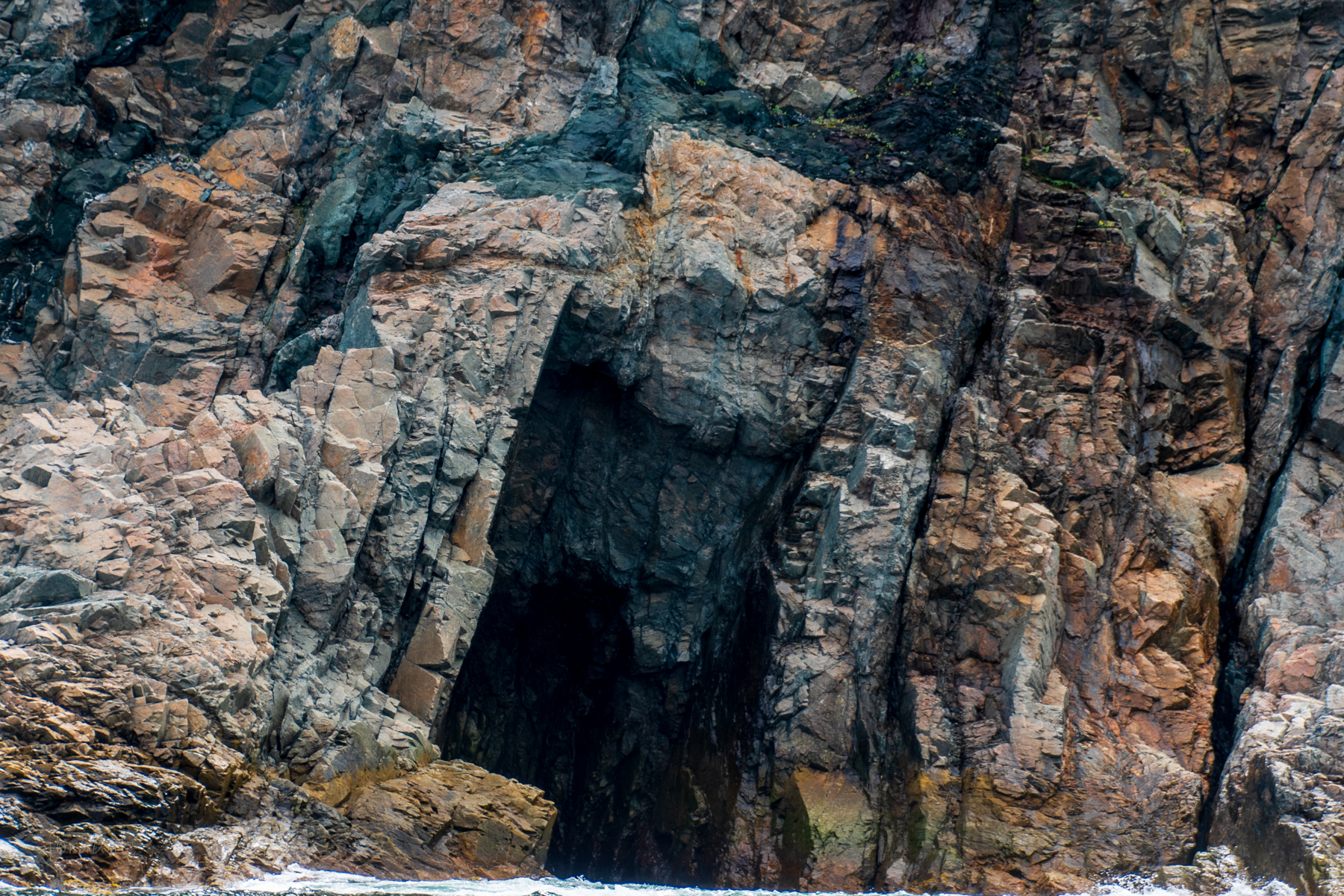
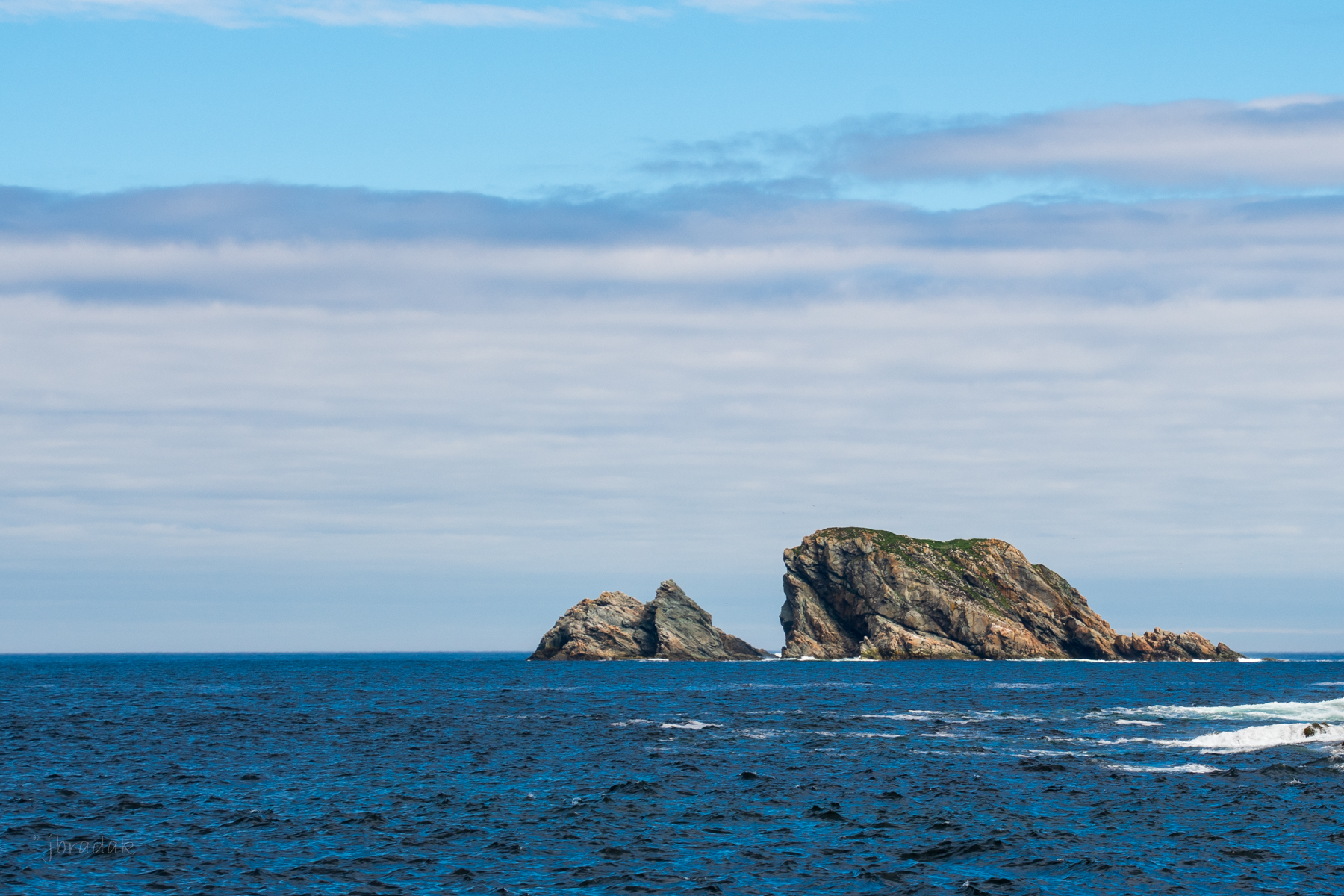
Dungeon Provincial Park UNESCO Geosite

















 Illumination